
Contents operations software
Contents Packout Software for Restoration Contractors
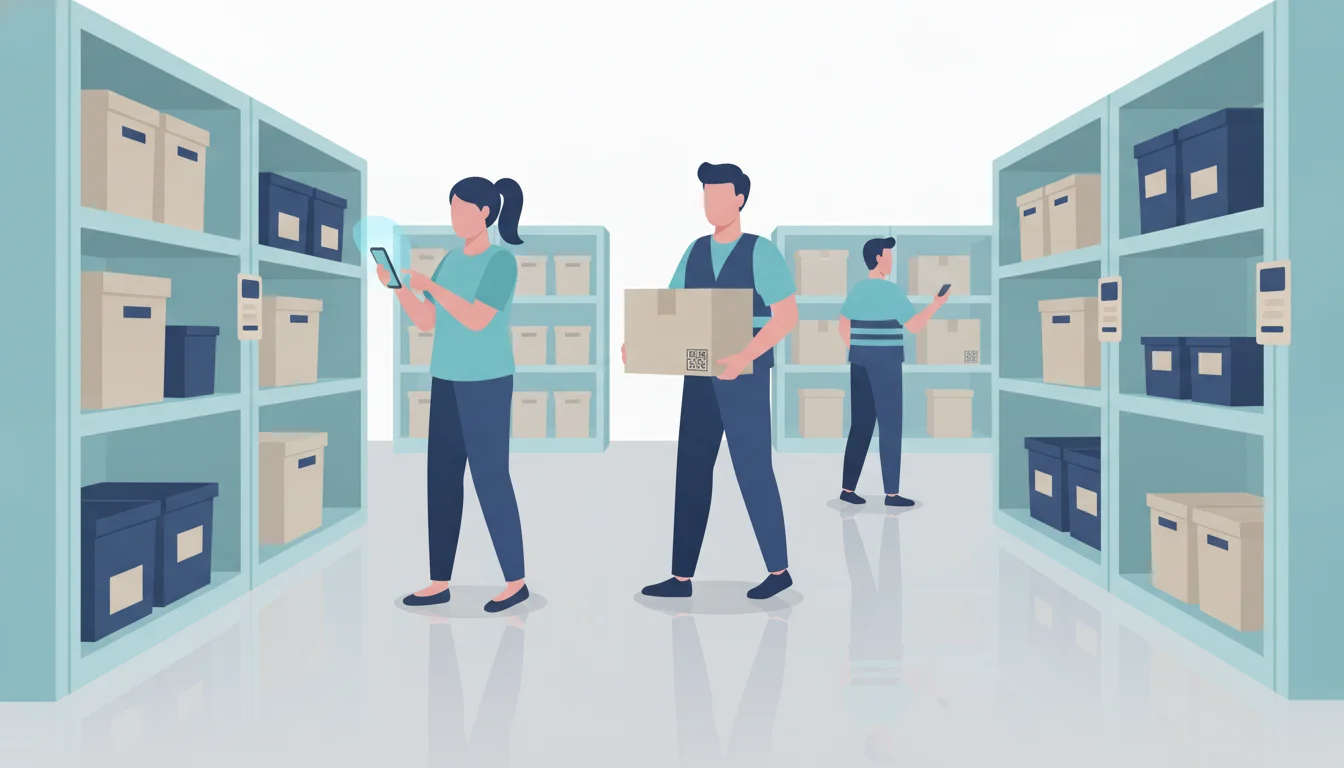
iCat connects item records from the property to the warehouse, production floor, storage location, and pack-back.

Contents packout software for restoration contractors
Contents packout software connects field capture, box and item tracking, warehouse handoffs, production, storage, and pack-back in one operational workflow. It gives restoration contractors a current record of what was packed, where it is, what work is pending, and what needs to happen next.
Speak to the iCat AI Agent about your contents operation.
For the broader category and selection framework, review the contents restoration software guide for contractors. The goal is not to remove every human check. The goal is to reduce duplicate entry and disconnected handoffs so your field, warehouse, production, and office teams can work from the same job information.
01 / Connected records
What Does Contents Packout Software Do?
Contents packout software helps a restoration team document, identify, move, store, process, and return personal property throughout a job. A useful system connects item and box relationships, photos, room or source location, status, storage location, movement history, and next action.
- Capture item information and photos at the property.
- Connect items to boxes, rooms, jobs, and QR identifiers.
- Track receiving, production, storage, picking, and return activity.
- Give office and warehouse teams current progress information.
- Support estimating and reporting with records created during the work.
For item capture and inventory structure, see the contents inventory software page. For a field-focused explanation of mobile capture, room-by-room lists, photo attachment, and chain of custody, see the pack-out inventory app resource. This page focuses on the broader software decision and the connected operation after the initial pack-out.

02 / Operations
Which Workflows Should Contents Packout Software Connect?
Contents packout software should connect the physical operations that follow inventory while keeping administrative and financial work visible. Inventory establishes the shared foundation. Pack-out, production and cleaning, storage, and pack-back can then work together without forcing every job through a rigid sequence.
Pack-out
Keep the item, box, room, and job relationships connected as contents leave the property.
Receiving and storage
Record where contents are held across vaults, pallets, racks, boxes, and individual items.
Production
Coordinate cleaning, restoration, packaging, and status updates. Cleaning decisions are made while items are examined at the facility.
Pack-back
Use current locations and digital pick lists to prepare the right contents for the right rooms.
Estimating and reporting
Carry quantities, photos, services, and job records forward without reconstructing the work later.
Physical chain of custody means the movement history of belongings from pack-out through transport, production or storage, and pack-back. It does not mean valuation, claim adjudication, or automated salvage decisions.
03 / Efficiency
How Does Packout Software Reduce Unpaid Labor?
Packout software reduces unpaid labor by keeping information in a structured record when the work happens, instead of asking office staff to rebuild the job from paper lists, disconnected photos, and memory.
Photo-derived descriptions and AI-assisted capture can reduce repetitive typing. Team members still review the record and correct it when needed. The software reports an item's condition so the user can decide what happens next; it does not make an automated salvageability decision.
When the same record supports receiving, storage, production, estimating, reporting, and pack-back, managers can spend less time asking where an item is or which handoff is incomplete. That gives a growing contents division more operational control without relying on more disconnected spreadsheets.
04 / Evaluation
What Should Contractors Look For in Contents Packout Software?
Contractors should evaluate contents packout software against the way their teams capture, move, store, process, estimate, and return property. The most important questions are operational, not just technical.
- Does the system preserve item-level photos, descriptions, room context, and box relationships?
- Can field teams continue working offline on compatible devices and synchronize later?
- Can workers find contents through QR identifiers, nested storage locations, and movement history?
- Do digital pick lists and progress checkpoints support cleaning, delivery, and pack-back?
- Can estimators use quantities and service records without reconstructing the job afterward?
- Does the platform support the full contents operation instead of only one field task?
- Are onboarding, training, support, and current plan details clear before purchase?
Use the contents restoration software guide for broader selection criteria, and review contents tracking software for restoration contractors when location history and warehouse control are the primary concern.
05 / Scope
When Is a Pack-Out App Not Enough?
A pack-out app may be enough when the main need is fast field capture. A broader contents packout software platform is a better fit when the team also needs warehouse locations, production status, digital pick lists, estimating support, reporting, and pack-back coordination.
The distinction is scope. An app can help a technician record a job. A contents platform helps the operation manage what happens before, during, and after that field visit. The right choice depends on where the current process loses time, context, or accountability.
06 / Platform fit
How Does iCat Support the Contents Operation?
iCat is built for restoration companies that need one connected contents operation from inventory through pack-back. The platform supports photo-based inventory, AI-assisted descriptions, compatible iPhone offline work, QR tracking, nested storage locations, digital pick lists, production workflows, estimating and reporting support, and management visibility.
iCat keeps human review in the workflow. Teams remain responsible for condition decisions, service decisions, and operational judgment. The software supplies structured information and workflow support so people can do that work with better visibility.
Learn more about the iCat platform, review current plan details, or read the contents pack-out steps guide for practical field context.
Talk through your operation
See whether connected pack-out, warehouse, production, storage, and pack-back workflows fit the way your contents team works today.
Talk with iCat about a contents packout workflow that fits your operation.
FAQ / Common questions
Contents Packout Software FAQ
What is contents packout software?
Contents packout software is a system for documenting and managing personal property from field pack-out through receiving, production, storage, estimating, reporting, and pack-back.
What is the difference between a pack-out app and packout software?
A pack-out app usually focuses on field capture. Contents packout software connects that capture to warehouse, production, storage, reporting, and pack-back workflows.
Can contents packout software work offline?
iCat supports offline field work on compatible iPhones. Captured information can synchronize when Wi-Fi or cellular service is available.
Can software decide whether an item is salvageable?
No. iCat reports item condition so the user can make the decision. Professional judgment remains part of the restoration workflow.
Can contents packout software support warehouse and pack-back work?
Yes. A connected system can use storage locations, movement history, digital pick lists, and checkpoints to help teams retrieve, prepare, and return the right contents.
Build a more connected contents packout workflow with the team you already have.
Start with iCat or speak to the iCat AI Agent about your contents operation. You can also call (888) 494-4228.