
Contents Tracking Software for Restoration Contractors
Track where contents are, what happened to them, and what needs to happen next from pack-out through pack-back.

Contents tracking software helps restoration contractors follow each item and container through pack-out, transport, production, storage, and pack-back. It connects QR scans, storage locations, status changes, and movement history so field, warehouse, production, and office teams can work from current operational information.
Speak to the iCat AI Agent about clearer visibility after contents leave the property.
Tracking is the physical-operations layer of a contents workflow. It shows where belongings moved and what should happen next. It does not replace professional judgment about condition, salvageability, valuation, or estimating.
What Does Contents Tracking Software Track?
Contents tracking software tracks the physical details that help a restoration team locate, identify, and move belongings through an active job. The useful tracking set includes the item or box relationship, room or source location, QR identifier, current status, physical storage location, movement history, and next action.
Keep item and container relationships visible
Connect individual items to the box, room, job, and storage location they belong to. That relationship gives field and warehouse teams context when an item is picked, produced, staged, or prepared for return.
Separate movement status from valuation
A tracking status answers where an item is and what should happen next. It is different from replacement cost, depreciation, age, or actual cash value. Keep the physical movement workflow clear while valuation and estimating continue as separate work.

How Does Chain of Custody Work From Pack-Out to Pack-Back?
For a restoration contractor, physical chain of custody is the movement history of belongings from pack-out through transport, production or cleaning, storage, and pack-back. Tracking makes those handoffs easier to review without confusing physical custody with valuation or claim adjudication.
Pack-out and transport
Start with the item, room, box, and job relationships captured during pack-out. QR-based identification can help the team connect the physical contents to the correct job as they leave the property and move toward the facility.
Production and storage
Record the operational status and location as contents move through production and storage. Production and storage can overlap, so the team needs current location and next-action information instead of a rigid sequence that hides exceptions.
Pack-back and return
When contents are ready to return, the movement history helps the team identify what to pick, prepare the right items, and return them to the correct property or room.
How Do Storage Locations and Digital Pick Lists Work?
Contents tracking software helps warehouse teams connect a contents item to its current physical location and next action. In iCat, tracking can extend across deeply nested locations such as vaults, pallets, racks, boxes, and individual items.
Track nested storage locations
Location history gives managers and workers a way to understand where contents are held and how they moved. That visibility supports storage work, production handoffs, exception review, and preparation for delivery or pack-back.
Give crews a clear next action
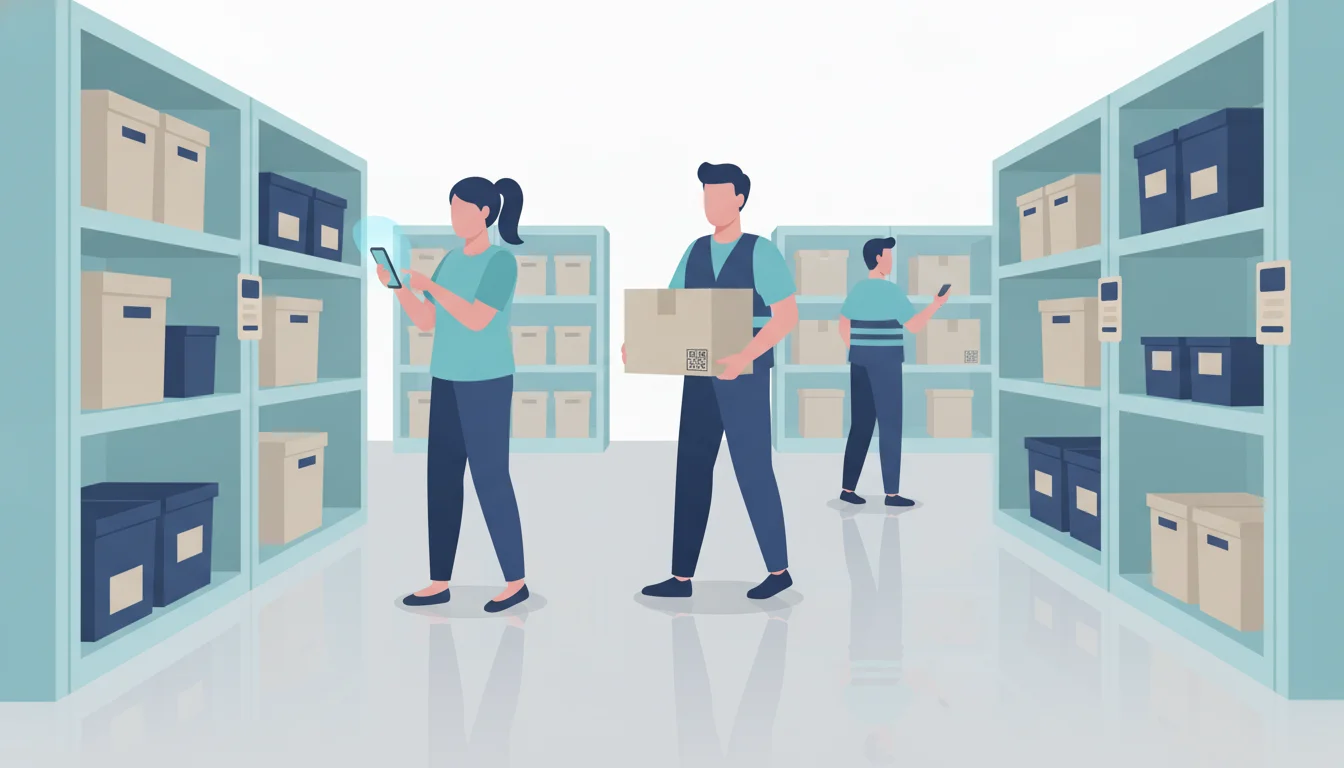
Digital pick lists guide workers to the contents and storage locations needed for cleaning, delivery, or pack-back. Progress updates and checkpoints help the team confirm that the right items were retrieved without asking managers to reconstruct the job from disconnected notes.
How Does Contents Tracking Support Pack-Back?
Contents tracking supports pack-back by showing which items are ready, where they are stored, and which property or room they need to return to. The team can use current status, location history, and pick-list information to prepare the right contents instead of searching across separate job notes.
That continuity matters when a contents division is handling multiple jobs at different stages. The goal is not to remove every manual check. The goal is to give the people doing the work clearer information for each handoff.
See how iCat connects contents tracking, production, storage, and pack-back.
Is Contents Tracking Different From Contents Inventory?
Contents inventory captures what the items are and documents the job context. Contents tracking follows what happens to those items after capture, including location, status, movement, production handoff, storage, and return preparation.
The two workflows work together, but they answer different questions. Use the contents inventory software for restoration contractors page for the broader capture and inventory workflow. Use this page when the main concern is physical movement history and storage control from pack-out through pack-back.
Is iCat a Fit for Your Contents Operation?
iCat is built for restoration companies that need more visibility after contents leave the property. The platform supports QR tracking, deep storage locations, digital pick lists, production workflows, pack-back coordination, and management reporting across the contents operation.
The software reports item condition so your team can make the restoration decision. It does not replace professional judgment or turn physical tracking into an automated salvage decision.
If your team is managing contents across field work, warehouse storage, production, estimating, and return, explore the iCat platform and review the broader contents restoration software guide to compare the workflow with your operation.
For current plan details, view iCat pricing. When you are ready to discuss the fit, start with iCat or speak to the iCat AI Agent.
Contact iCat about contents tracking
Speak to the iCat AI Agent about your contents tracking workflow.
Contents Tracking Software FAQ
Contents tracking software helps restoration contractors follow item and container relationships, status, location, and movement history through pack-out, transport, production, storage, and pack-back.
What is contents tracking software?
Contents tracking software helps restoration contractors follow item and container relationships, status, location, and movement history through pack-out, transport, production, storage, and pack-back.
How do restoration contractors track contents from pack-out to pack-back?
Contractors can connect item and box information to QR identifiers, storage locations, status changes, and movement history. Digital pick lists and progress checkpoints can help workers retrieve and return the right contents.
Does tracking software replace a contents inventory?
No. Inventory documents what the contents are and where they came from. Tracking follows physical movement, location, status, and next action after capture. The workflows support each other.
Can iCat track contents in storage?
Yes. iCat supports deep storage locations and movement history across warehouses and storage areas, along with digital pick lists that guide workers to the contents needed for production, delivery, or pack-back.
Does chain of custody include valuation?
No. Physical chain of custody covers the movement history of belongings. Valuation, depreciation, replacement information, and estimating are separate administrative or financial workflows.
Track Contents With More Operational Confidence
See how iCat can help your team follow contents from pack-out through storage, production, and pack-back.