
iCat resource
Packout Services: A Workflow Guide for Contractors

Packout services work best when every item has a clear path from the home to the warehouse and back. For a contents restoration contractor, that means capturing useful inventory at the jobsite, assigning an identifier, protecting and moving contents, then keeping location and status current through cleaning, storage, and return. A defined handoff helps the field crew, warehouse lead, and project manager act on the same record.
Talk to a contents restoration software expert
What should packout services include?
A packout is the controlled removal of a customer's contents from an affected property so items can be processed, stored, and returned as the job requires. The workflow is more than loading boxes. It connects field identification and condition records to packing, transportation, receiving, processing, storage, and pack-back.
Each stage needs enough information for the next person to continue without guessing. An item or container record may include its identifier, description, photo, room or origin, condition, current status, and location. Not every item needs a valuation or replacement-cost decision. Keep ordinary inventory and any separate non-salvage evaluation distinct, and follow the job's authorization and documentation requirements.
For an overview of how contents software supports contractor operations, see this guide to contents restoration software. The practical goal is a dependable chain of operational records, not simply a list of objects.
How should the packout handoff move from field to warehouse?
The handoff should preserve the link between what the field team documented and what the warehouse team physically received. Treat each transition as a verification point: identify what is moving, record who is responsible, confirm the destination, and update the status when the transfer is complete.
- Prepare the job. Confirm the work area, scope, crew roles, destination, and any access or handling constraints with the project manager. Set up a consistent way to identify rooms, containers, and items before packing starts.
- Capture in place. Photograph and describe contents as they are processed. Record the item's room or source and condition when relevant. For a container, associate its identifier with the contents or item records that belong inside it.
- Protect and label. Apply the job's packing method and a durable identifier. Make sure the label can be read at receiving and remains associated with the correct contents. A label is a pointer to the inventory record, not a substitute for it.
- Stage by destination or next step. Separate loads or containers according to the planned destination and processing needs. Keep exceptions visible, such as an item awaiting a decision or a container that is not ready to move.
- Transfer custody. The field lead and receiving lead confirm the expected containers, note discrepancies, and record the new location or responsible team. Avoid treating a dispatched load as received until the warehouse has checked it in.
- Reconcile exceptions. Resolve missing, damaged, unidentified, or misrouted items before the record is treated as complete. Assign an owner and follow-up action rather than silently changing or deleting the original entry.
This sequence gives the operations manager a useful control: a movement is complete only when the sending and receiving stages agree, or the difference has an assigned owner. For more detail on field capture, review restoration field inventory best practices.
What should the field supervisor set before the crew arrives?
A short pre-job setup prevents each crew member from inventing a different identification method. The field supervisor should confirm the job scope and destination with the project manager, then explain how the crew will identify rooms, containers, and exceptions. Make sure every role knows who can resolve a question about scope, access, or an item that should not move yet.
Choose an identifier pattern. Agree on how rooms and containers will be distinguished, and check that labels remain readable after handling. Define the minimum record. Set the details needed for each item or container before moving it, such as job association, source location, identifier, photo, and relevant status. Set the staging plan. Tell crews where ready-to-move contents, items awaiting review, and exceptions should wait. Do not let a temporary staging area become an undocumented destination. Assign the receiving contact. Identify who confirms the load at the warehouse and how field staff should report a discrepancy during transfer.
Use a brief sample check before the crew reaches full pace: select a container, find its record, confirm its intended destination, and make sure a second person can follow the same steps. If the test fails, simplify the naming convention or clarify the handoff before repeating the process across the job. This small check is a workflow-control practice, not a substitute for the job's scope or handling instructions.
Which records need to stay connected at each stage?
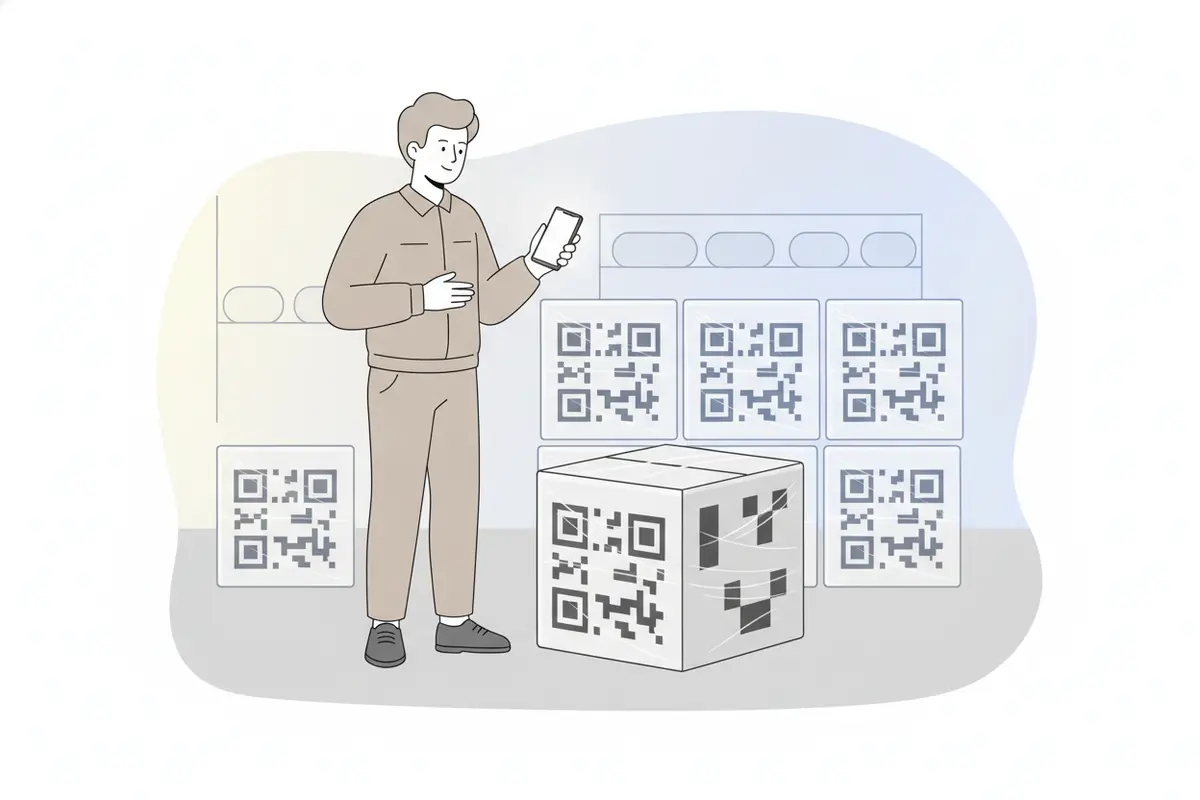
Keep the identity of an item or container connected to its job, source location, current status, and current destination. Then add stage-specific details without collapsing separate business records into one vague note. This makes it possible to answer basic operating questions: What was packed? Where did it come from? Where is it now? What is waiting to happen next?
| Stage | Record to maintain | Handoff check |
|---|---|---|
| Field capture | Job, room or origin, item/container identifier, photos, description, and relevant condition or status | Can the next crew member match the record to the physical contents? |
| Packing and staging | Container contents or linked item IDs, packing status, and planned destination | Is the container identified and assigned to the right load or next step? |
| Transport and receiving | Transfer status, receiving location, and any discrepancy or exception | Has the receiver confirmed arrival rather than relying on dispatch alone? |
| Warehouse processing | Current storage location, cleaning or processing status as applicable, and responsible team | Can the warehouse lead find the contents and see what remains to be done? |
| Pack-back and closeout | Return or completion status and unresolved exceptions | Are returned contents and outstanding items reconciled against the job record? |
Use the same stable identifier through movement and processing. If the team creates a new container or splits contents, preserve the relationship between the original record and the new identifiers. This avoids losing context when a physical grouping changes.
How can a warehouse lead prevent receiving and location gaps?
The warehouse lead should make receiving a deliberate check-in, not an informal assumption. Before a load is put away, compare the expected container identifiers with what arrived. Record a discrepancy promptly and keep the affected contents in a known, controlled location until the team resolves it.
Give every received unit a location. Use a location convention staff can apply consistently, such as a defined warehouse zone and position. Record the actual location when the contents are put away, not a temporary staging spot that is no longer accurate. Separate status from location. "In storage" does not explain whether an item is waiting for cleaning, ready for return, or held for a decision. Track the physical place and the work status as separate pieces of information. Keep exceptions visible. Flag an unidentified container, count mismatch, or damage for follow-up. Assign the exception to a role or person and set a next action, such as locating the field record or checking the load. Record movement when it happens. When contents move to a cleaning area, another storage zone, or a return staging area, update the location and status as part of the move.
Digital picklists shared to team devices and real-time cleaning status tracking are among the production tools described for iCat. A warehouse management workflow for contents restoration should still be designed around the contractor's physical layout and responsibility assignments. Software can support the records; the receiving and warehouse team must verify the physical handoff.
How should a contractor handle exceptions and non-salvage contents?
Keep exceptions separate from the normal flow until someone with the right authority resolves them. An item with an unclear identity, a condition concern, or an uncertain destination should not disappear into a broad “processed” status. Preserve its current location, document the issue, name the next action, and record the decision when it is made.
Non-salvage contents are a separate branch from ordinary inventory. Record the item and its evidence, keep its status distinct, and follow the job's authorization and chain-of-custody process. If the work requires replacement or LKQ information, treat that as a separate valuation task rather than implying that every inventoried item requires a replacement value. AI-generated pricing or valuation requires qualified operator review before it is treated as final or used in a claim decision.
For a focused workflow on this branch, see the non-salvage contents processing steps. When the team needs to preserve the story of an item's movement, use a connected contents job workflow from packout to completion as a reference point.
How can an operations manager know the workflow is working?
Review a small set of operational measures on a regular cadence. The purpose is to expose delay and missing handoffs, not to create a report that no one uses. Compare similar jobs or time periods using the same definitions, and investigate the process behind a change before drawing conclusions.
Receiving discrepancies: Count loads or containers with an unresolved difference between dispatch and receiving. Unlocated contents: Check how often staff cannot confirm a current physical location from the record. Stale statuses: Identify records that have not moved from a waiting status within the time your team has set for review. Exception age: Track how long open identification, condition, or destination questions remain without an owner or next action. Closeout gaps:* Check whether the job's return status and outstanding exceptions are reconciled before the team closes its operational work.
Start with one recurring failure rather than changing every stage at once. If receiving discrepancies are the issue, define who checks the load, when the check occurs, what counts as a discrepancy, and where the exception is recorded. Then review a sample of completed jobs with the field and warehouse leads. If crews struggle to keep identifiers connected across stages, consider whether contents restoration platform capabilities fit the workflow you need to support.
What should a contractor look for in packout services software?
Evaluate software against the handoffs your team actually performs. A product should make it practical to capture contents in the field, keep identifiers and photos associated with job records, and give managers a way to follow statuses and locations through the workflow. Ask how mobile work functions at a jobsite with limited connectivity, how warehouse users find current records, and how the team shares information across roles.
iCat describes an iPhone app with offline support, a cloud web portal for administrators and managers, digital picklists shared to team devices, real-time cleaning status tracking, and pack-back label printing. Confirm the current product scope and fit for your operation before changing procedures. You can also review current iCat pricing information and iCat API access when assessing how the platform may fit your systems. Any optional or usage-based services should be evaluated separately from the core subscription details shown on the current pricing page.
For industry guidance beyond software, contractors can consult the IICRC, a restoration industry standards and certification organization, and confirm which current standards or training apply to their particular work. A general workflow checklist is not a replacement for applicable requirements, customer instructions, or job-specific authorization.
Talk through your contents workflow
Frequently asked questions
What is the most important packout handoff?
The field-to-warehouse handoff is a critical control point. The receiving team should confirm the expected containers, record what arrived, assign a current location, and flag mismatches for resolution.
Should item records and container records be the same?
No. Keep item identity and relevant details connected to the job, and link items to the container or containers holding them. If contents are split or repacked, preserve the relationship between the original and new identifiers.
Does every contents inventory item need a valuation?
No. General inventory supports identification, movement, processing, storage, and return. Replacement or LKQ information belongs to a separate non-salvage or valuation workflow when applicable, and AI-generated pricing requires qualified operator review.
How often should a contractor review open packout exceptions?
Set a cadence that fits job volume and risk, then assign an owner and next action to each open exception. Review urgent or location-related issues promptly so contents are not left without a known status or destination.
A dependable packout workflow links field capture, receiving, warehouse location, processing, and return while keeping exceptions visible. Choose one handoff to tighten first, define who verifies it, and make the record current when the physical work happens.