
For a contents restoration contractor, the ACV vs replacement cost contents restoration contractor workflow starts before an adjuster reviews the estimate. If the item record does not clearly separate condition, repair scope, depreciation, and replacement cost, a defensible inventory can become a payment delay.
Call iCat at 1-888-494-4228 to discuss claim-ready contents valuations.
For contents restoration contractors, ACV versus replacement cost workflows mean treating ACV as repair or replacement cost minus depreciation. While RCV reflects like kind and quality without that deduction. The right result depends on the policy, item evidence, and documentation that lets the insurer follow the calculation.
ACV and RCV are not competing guesses. They are valuation points that contractors must document consistently, communicate clearly, and align with the insurer’s claim workflow. The distinction becomes practical when you calculate each value and preserve the evidence behind it. Start with the definitions that shape every estimate.
For a broader operating framework, review our guide to insurance documentation for contents restoration contractors.
This article focuses on valuation logic: how ACV and RCV differ and what evidence supports each number. The separate claim-ready valuation guide covers the step-by-step inventory workflow, so this page does not duplicate that process.
What Is the Difference Between ACV and Replacement Cost Value?
Actual Cash Value (ACV) is the cost to repair or replace damaged contents minus depreciation. Replacement Cost Value (RCV) is the cost to repair or replace them with materials of like kind and quality, without subtracting depreciation. For a contents restoration contractor, the practical distinction is whether the estimate documents an item’s current depreciated value, its full replacement requirement, or both.
Depreciation accounts for factors such as age, condition, wear, use, and obsolescence. An item record that identifies the model, serial number, age, and observed condition gives the estimating and adjuster-review process a defensible basis for applying it. Replacement value generally means replacing an item with a new item of similar quality, not automatically selecting a more expensive upgrade. Sources: Texas Office of Public Insurance Counsel ACV and RCV guidance, North Carolina Department of Insurance valuation guidance, and Cornell Law’s replacement value definition.
| Value | What it represents | Documentation focus |
|---|---|---|
| ACV | Repair or replacement cost after depreciation is deducted. | Age, condition, model, serial number, and the depreciation applied. |
| RCV | Repair or replacement cost for like kind and quality before depreciation is deducted. | Item identity, comparable replacement basis, scope, and evidence supporting repair or replacement. |
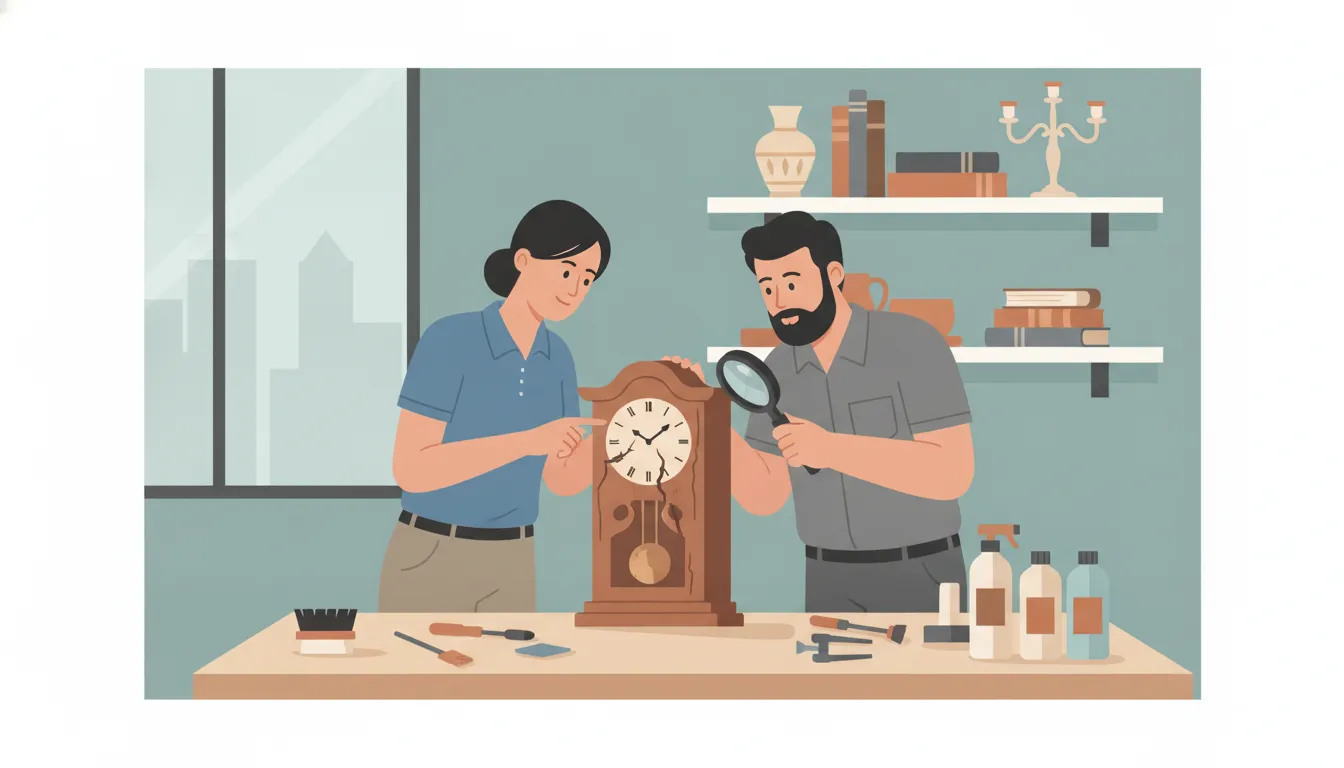
The distinction matters when building contents estimates. A repairable item may need a documented restoration scope, while an item that cannot be restored requires support for total replacement. Clear, itemized estimates should separate those outcomes instead of combining every line into one replacement figure. Photographs and condition notes help show why restoration is appropriate or why replacement is necessary.
Policy handling can also affect the payment sequence. Many policies issue an initial payment based on ACV and provide additional replacement cost after the item is replaced, subject to the policy’s terms. Contractors should not promise coverage or determine policy eligibility. Instead, provide complete ACV and RCV information so the carrier, adjuster, and policyholder can review the same item-level record. That structure reduces confusion when depreciation or replacement documentation is questioned.
How Do You Calculate ACV for Contents Restoration?
Calculate actual cash value by subtracting applicable depreciation from the item’s repair or replacement cost. In formula form: ACV = repair or replacement cost – depreciation. For a total-loss item, the replacement cost is the starting point, then depreciation is applied to estimate the item’s value at the time of loss. The exact treatment depends on the policy and the insurer’s applicable guidelines, so a contractor’s estimate should document the inputs rather than promise a particular settlement.
For contents teams, the calculation begins with a defensible replacement-cost reference. Identify the item, its like-kind-and-quality replacement, and the current cost used for the estimate. Then record the item’s age and condition and apply the appropriate depreciation method or schedule. ACV is intended to reflect the property’s current value, including the effects of age, condition, wear, use, and obsolescence. Depreciation is not simply an arbitrary discount. It represents the reduction in value over time because an item has been used, worn, or made less useful by newer alternatives. Texas’s Office of Public Insurance Counsel explains the ACV and RCV distinction.
Illustrative contents example
Example only, not a policy-specific promise: Assume a damaged television has an indexed like-kind replacement cost of 100 units. For illustration, an approved depreciation calculation assigns 40 units based on the item’s documented age, condition, and applicable schedule. The illustrative ACV is:
- Replacement cost: 100 units
- Less illustrative depreciation: 40 units
- Illustrative ACV: 60 units
This example shows the arithmetic, not what an insurer must pay. A different model, condition assessment, useful-life assumption, or policy provision could produce a different result. Do not apply a standard percentage across an entire inventory without reviewing the item characteristics and the requirements governing the claim.
Good item records make the calculation reviewable. Capture the brand, model, serial number when available, estimated age, pre-loss condition, damage observations, and supporting photographs. Model and serial information can help distinguish products and establish age, while photographs support the condition assessment before cleaning or restoration. For high-value or specialized property, preserve the reasoning behind the depreciation rather than presenting only a final number.
Keep ACV separate from RCV in the estimate. RCV generally represents repair or replacement with like kind and quality without deducting depreciation, while ACV reflects the depreciated value. Showing both figures, the depreciation amount, and the restoration-versus-replacement basis gives the adjuster a clear record to review and helps prevent avoidable valuation disputes.
When Do Insurers Use ACV or Replacement Cost for Contents Claims?
Insurers use ACV or replacement cost according to the policy’s coverage terms, not according to a contractor’s preference. ACV generally values an item at its loss-date value after depreciation. Replacement cost coverage addresses the cost to repair or replace it with materials of like kind and quality, without deducting depreciation. Your role is to document the item’s condition, restoration scope, and replacement basis clearly. The insurer and policyholder determine coverage under the policy.
Call iCat at 1-888-494-4228 for a clearer contents valuation workflow.
Read the policy before explaining the payment path
The policy or related underwriting guidelines generally define the depreciation schedule used for ACV calculations. Age, use, wear, condition, and obsolescence can affect the amount assigned to an item. That means an ACV payment may provide immediate funds while still falling short of the cost of a new replacement. Do not promise a policyholder that a documented replacement cost will be paid. Instead, identify what your estimate supports and direct coverage questions to the adjuster or carrier.
Replacement cost claims are often handled in stages. Many policies pay an initial ACV amount, then allow an additional replacement cost payment after the item is actually replaced. The timing, documentation, and deadlines vary by policy. A contractor should track the item record and preserve the evidence needed for the adjuster to review the supplemental amount, rather than treating the second payment as automatic.
Keep like kind and quality visible in the estimate
Replacement cost is not an open-ended upgrade allowance. Policies may limit recovery to the actual cost of replacing the damaged property with a new item of like kind and quality. Your estimate should therefore identify the item, model or relevant specifications, condition, and whether the proposed action is cleaning, repair, or total replacement. If a comparable replacement differs materially, flag that difference for adjuster review instead of silently substituting a higher-grade item.
Clear communication prevents avoidable disputes. Explain whether each line supports restoration or replacement, show ACV and potential replacement-cost values separately when requested, and note what evidence remains outstanding. Photographs taken before cleaning or restoration help establish the damaged condition, while model, serial number, and age records support the depreciation discussion. Contractors can provide professional observations about restoration viability and cost. But they do not decide whether the policy covers the loss or whether the carrier will classify an item as a total loss.
This disciplined handoff gives the adjuster a defensible record and gives the policyholder realistic expectations throughout the contents claim. For the broader sequence from pack-out through completion, review this contents job workflow.
How Does an ACV vs Replacement Cost Contents Restoration Contractor Document Values?
Document ACV and RCV in the same item record, but keep the evidence and valuation logic distinct. Record what the item was, what condition it was in, what restoration can accomplish, and what a like-kind replacement would cost. Insurers may request an itemized contents list, and a complete record gives the adjuster a clear basis for reviewing both values. Use this insurance documentation for contents restoration contractors as a broader process reference.

- Assign a unique item identity. Give each item a stable record number and connect it to the room, container, pack-out location, or other job reference. Record the item description, brand, and category. Avoid combining several goods into a vague line such as “electronics” or “household items.” The itemized record should allow another reviewer to identify exactly what was evaluated.
- Capture photos before cleaning or manipulation. Take clear photographs that show the damage, affected surfaces, surrounding context, and any identifying marks. Photographic evidence helps support whether restoration or replacement is appropriate, while pre-loss records can establish a useful condition baseline. Store the images with the item record and preserve the capture date and source. Thorough digital photo records are especially important when the condition will change during cleaning.
- Record age and pre-loss condition. Note the purchase date or best-supported age, along with wear, prior damage, use, and observable condition. Age and condition are material to depreciation, which reflects factors such as wear, use, and obsolescence. Do not treat an assumed age as a verified fact. Label estimates, owner statements, receipts, and other evidence according to their source.
- Document the model and serial number. Capture model, serial, product, and identifying numbers whenever available. These details support depreciation calculations and help establish the correct replacement reference. Photograph labels at an angle if glare makes them difficult to read, then review the entry against the image before submitting the estimate.
- Attach a like-kind replacement reference. For the RCV record, identify the new item of similar quality or materials of like kind and quality. Include the source used to verify the replacement description and cost, because insurers may use third-party pricing databases to check replacement values. Keep the reference specific enough for an adjuster to compare it with the damaged item. For more detail on the valuation workflow, see how to create a claim-ready contents valuation.
- Separate restoration from replacement rationale. State whether the item is proposed for cleaning, repair, restoration, or total replacement, and explain why. A clear, itemized estimate should distinguish repairable items from items needing replacement. Restoration may be more economical than full replacement, but the record should describe the observed condition and proposed work without making a coverage decision. Condition reporting informs review; it does not decide salvageability.
- Preserve chain of custody. Record who collected, transported, received, stored, evaluated, cleaned, repaired, returned, or disposed of the item, including dates and status changes. Chain-of-custody documentation is often required for restored contents. Keep item identifiers consistent across photos, inventory, estimates, work notes, and return records. This closes the evidence gap between the field and the final valuation.
Before sending the package, compare every item record against the estimate and supporting evidence. Align the estimate with the insurer’s documentation standards to reduce clarification requests and support a faster review. Teams improving field capture can also use these field inventory best practices as an operational reference.
What ACV Mistakes Lead to Contents Claim Disputes?
Most ACV disputes begin with an unclear item record, an unsupported valuation, or a mismatch between the restoration scope and the payment being requested. Prevent them by separating ACV from RCV on every estimate, documenting why depreciation applies, and showing exactly why an item should be restored or replaced.
Mistake: Mixing ACV and RCV in one figure
Presenting a single amount without labeling its valuation basis makes it difficult for the adjuster and policyholder to understand the claim. ACV generally reflects repair or replacement cost minus depreciation, while RCV uses like kind and quality without a depreciation deduction. Separate the two values clearly in the item record, estimate, and any supplement. If the policy uses staged payments, explain which amount represents the initial ACV and which amount may be recoverable after replacement.
Mistake: Applying depreciation without support
A flat or unexplained depreciation percentage invites questions, especially for specialized or high-value contents. Age, condition, wear, use, and obsolescence affect ACV, and the applicable schedule may be defined by the policy or underwriting guidelines. Record the model, serial number, estimated age, and observed condition whenever available. If a detail is unknown, mark it as unknown and identify the evidence still needed instead of presenting an assumption as a fact.
Mistake: Weak item identity and missing evidence
Generic descriptions such as “television” or “sofa” do not give reviewers enough information to validate the valuation. Use brand, model, serial number, dimensions or distinguishing characteristics, room or location, and pre-loss condition where documented. Capture photographs before cleaning or restoration, then preserve the item history through packout, transport, storage, treatment, and return. A documented chain of custody helps connect the estimate to the physical item.
Mistake: Failing to explain restoration versus replacement
Do not label an item a total loss without showing the reasoning. Provide a clear, itemized estimate that identifies the observed damage, proposed restoration method, expected result, and replacement alternative. Restoration cost compared with the item’s ACV can influence whether it is treated as a total loss. But the contractor’s role is to provide a professional opinion on viability and cost, not to make coverage decisions. Select techniques that do not further diminish the item’s value.
Mistake: Setting expectations before the numbers are clear
Tell the policyholder which figures are estimates, which decisions require adjuster review, and why ACV and RCV can produce different payment stages. Clear explanations reduce misunderstandings and make follow-up requests easier to resolve. Consistent labels, evidence, and restoration rationale give every party the same record to review.
Frequently Asked Questions
What is the difference between ACV and RCV for contents restoration?
Actual Cash Value is the repair or replacement cost minus depreciation. Replacement Cost Value covers repair or replacement with materials of like kind and quality without deducting depreciation. The applicable policy terms determine how the insurer values the item. Texas Office of Public Insurance Counsel
How is ACV calculated for a damaged contents item?
Start with the supported replacement cost, then subtract depreciation based on factors such as age, condition, wear, and obsolescence. A model, serial number, purchase information, and clear condition evidence give the adjuster a stronger basis for reviewing the calculation. North Carolina Department of Insurance
Does replacement cost coverage pay the full cost without depreciation?
Generally, RCV does not deduct depreciation. But recovery is still limited by the policy and the actual cost of replacing the item with one of like kind and quality. Many policies issue ACV first and consider the remaining replacement-cost amount after replacement is documented. Texas Office of Public Insurance Counsel
What documentation supports an RCV contents claim?
Provide an itemized inventory with brand, model, serial number, age, condition, and replacement basis. Add photographs taken before cleaning or restoration, clear repair-versus-replace estimates, and chain-of-custody records when applicable. Insurers may request detailed lists of damaged or lost property. North Carolina Department of Insurance
How can contractors reduce ACV and RCV disputes?
Separate restoration scope, replacement scope, replacement cost, and depreciation in the item record. Explain the assumptions before submission, preserve condition evidence, and align the estimate with the insurer’s documentation standards. This makes disagreements about depreciation or total-loss treatment easier to identify and resolve.
Claim-Ready Contents Valuations
Organized ACV and replacement cost records help your team spend less time rebuilding documentation during adjuster review. iCat helps contents restoration teams prepare clearer item records and consistent valuation documentation.
Call iCat at 1-888-494-4228 to discuss claim-ready contents valuations.
