
When a water loss affects a household, the contents operation can become the bottleneck long before structural repairs begin. Contractors must move, identify, clean, evaluate, document, and ultimately return hundreds or thousands of items without losing track of condition or custody. For a practical overview, see this contents restoration process guide for contractors.
Book a demo to see how iCat Contents Management streamlines the water damaged contents restoration process: Call 1-888-494-4228 to schedule a conversation with the team.
The water damaged contents restoration process is a controlled sequence that follows a predictable order. The contractor inventories the contents, completes the pack-out, and triages every item for salvage or loss. They then clean and dry recoverable property, document each decision, store items securely, and coordinate the move-back. The exact timeline depends on the scale and nature of the water intrusion.
That sequence only works when the team separates contents risks from structural risks at the start. The materials involved, the source and extent of exposure, and how long items remain wet all influence triage, drying priorities, and the next operational decision.
How Does Water Damage Affect Household Contents vs Structure?
For restoration contractors, the water damaged contents restoration process begins by separating the building’s condition from the condition of the belongings inside it. Water damage creates two related but distinct restoration problems: damage to the structure and damage to household contents. A contractor who treats them as one workstream can lose time, misclassify salvageable items, or leave contents exposed while structural drying continues. The source may be a leaking pipe, appliance failure, flood, hurricane, or tropical storm. But the operational response depends on where the water has traveled and what materials it has reached.
Structural damage requires stabilization and controlled drying
Structural restoration focuses on the property: floors, walls, ceilings, insulation, framing, and built-in components. Crews may need to remove standing water, open affected assemblies, dry materials, dehumidify the space, and coordinate repairs. Moisture mapping and equipment placement are part of that building-focused track. The objective is to stabilize the environment and prevent secondary damage before reconstruction begins.
Household contents follow a different path. Furniture, clothing, electronics, documents, artwork, appliances, and personal items must be identified, photographed, handled, packed, transported, cleaned, dried, stored, and either returned or declared unsalvageable. Their condition can change during a pack-out, so each item needs a clear status and a documented location. Contents should not simply be placed in a room that is still wet or treated as safe because the building appears dry.
Why contents need a separate restoration track
Contents restoration is a controlled chain of decisions, not just an extension of structural drying. The crew must determine whether an item can be cleaned or dried, whether its material is vulnerable to contamination, and how its condition affects its valuation. Separating the workflow lets the contractor assign the right handling method, maintain chain of custody, and keep the owner and project records aligned. A dedicated professional contents restoration process also gives operations teams a practical way to manage item-level work while structural crews manage the property.
Time pressure is the common constraint. The EPA states that mold can grow on wood, drywall, carpet, and furniture when those materials remain wet for more than 24 hours. That makes early triage important even when the structure is the immediate priority. Contents should be separated from ongoing moisture, assessed promptly, and routed to the appropriate drying or cleaning environment. Waiting for every structural question to be resolved allows preventable deterioration to continue.
For contractors, the handoff between the two tracks should be explicit: document the source and affected areas. Protect and inventory contents, coordinate safe access with structural drying, and keep item status visible through the project. This division reduces confusion at move-back and creates a more defensible record of what happened to each belonging.
What Should You Salvage vs Declare a Total Loss?
In the water damaged contents restoration process, contractors decide what to save by treating every item as a documented question rather than a first-glance call. Salvage decisions should be consistent, documented, and made item by item. During a contents pack-out, the goal is not to label everything as salvageable or discardable at first glance. It is to capture enough information about each item to determine whether cleaning, drying, repair, or specialized treatment is practical and supportable.
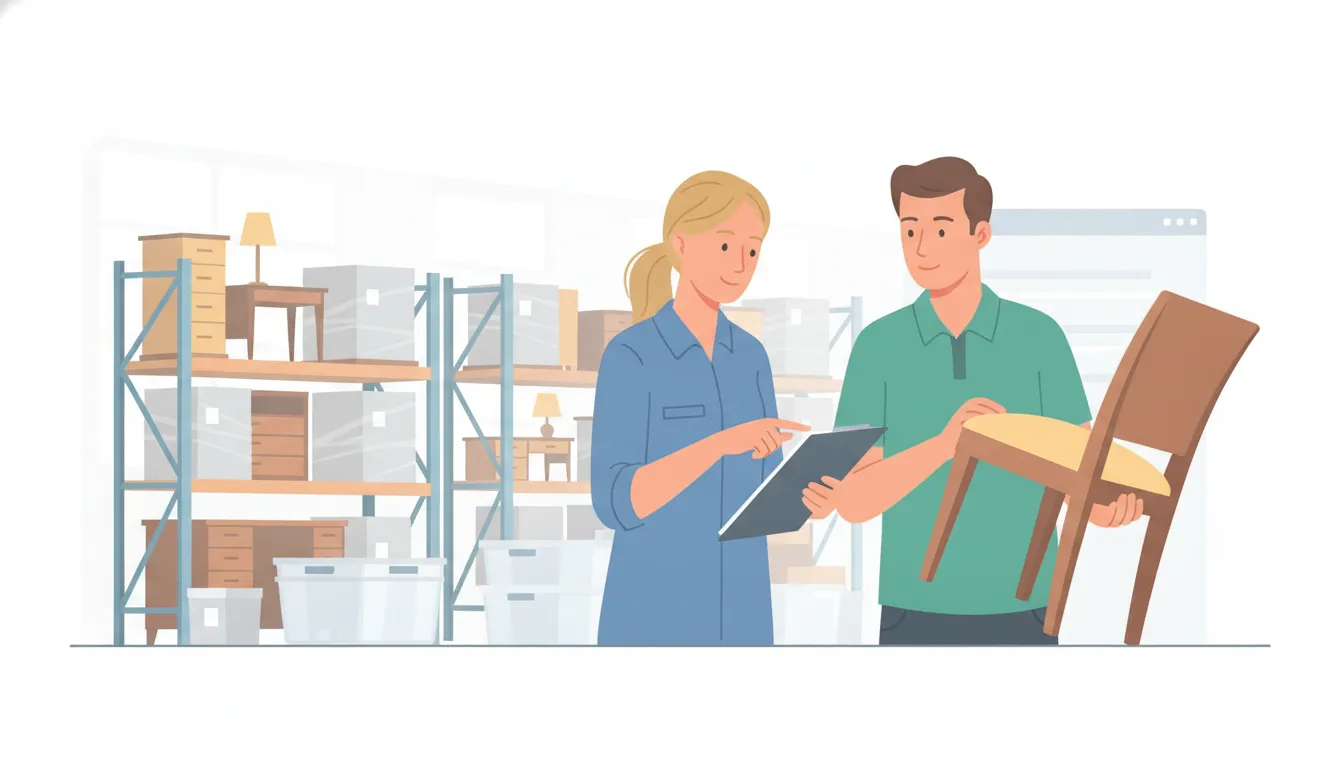
Start with a condition assessment before moving the item. Record the material, visible water exposure, contamination concerns, structural damage, odor, staining, and any pre-existing damage. Note whether the item is stable enough to handle safely. The condition assessment tells the crew what state the item is in, while the triage decision determines the next operational path.
Use a repeatable triage sequence
- Identify the item. Assign a unique item record and capture clear photos from multiple angles. Include identifying details, quantities, and distinguishing features so the item can be matched to the inventory later.
- Assess condition and material. Separate porous, nonporous, composite, electronic, upholstered, and paper-based items. Consider how the material reacts to water and whether cleaning or drying could create additional damage.
- Separate treatment paths. Place items into practical categories such as clean and dry, clean and dryable, requiring specialized evaluation, or non-salvage. Keep questionable items segregated rather than mixing them with confirmed salvage.
- Document the decision. Record why an item was retained, routed for treatment, or declared a total loss. If the decision changes after cleaning or drying, update the record instead of relying on a verbal handoff.
| Likely salvageable | Likely total loss |
|---|---|
| Surface moisture with intact structure and material | Severe breakdown or collapse of the item structure |
| Cleanable contamination with a defined treatment path | Extensive or irreversible contamination |
| Mild odor that responds to controlled cleaning | Irreversible odor that persists after treatment |
| Stable electronics with no sign of powered-on failure | Items that cannot serve their intended function after treatment |
| Non-porous or partially porous materials with low soak | Porous materials with deep, unresolved moisture retention |
For total-loss decisions, look for conditions that make restoration unreasonable or unsafe, such as severe material breakdown, extensive contamination, irreversible odor, or damage that prevents the item from serving its intended function. Avoid declaring an item a total loss solely because it looks dirty at pack-out. Some items require controlled cleaning, drying, or specialist review before the final decision.
Chain of custody is just as important as the decision itself. Insurance documentation needs to show where each item went, who handled it, what treatment was attempted, and what happened afterward. Photograph status changes at key points, including arrival, treatment, storage, and disposition. A contents inventory workflow commonly covers inventory, move-out, cleaning, and move-back, so the record must remain usable across every stage. Tools that automate inventory and valuation can reduce manual entry errors and save time, but they should support the contractor’s assessment, not replace it. The software reports condition to the team so the contractor can decide; it does not independently decide salvageability.
When an item is classified as non-salvage, keep the reason and supporting photos attached to the record. Use this non-salvage contents list as a reference for organizing that part of the workflow and keeping the disposition process clear for the crew, client, and insurer.
How to Dry and Stabilize Salvageable Items
Contractors dry and stabilize salvageable contents by moving them out of sustained moisture quickly and matching the method to each material. Once contents have been triaged for salvage, drying becomes a time-sensitive control process. The objective is not simply to make items feel dry. It is to remove retained moisture, stabilize each material, and prevent secondary damage that can turn a recoverable item into a total loss.
Begin by separating wet contents by material, condition, and drying tolerance. Wood furniture, textiles, paper, leather, and electronics respond differently to heat, airflow, and humidity. Record the condition before treatment. Then assign items to a controlled work area or drying chamber where crews can manage the environment rather than relying on open-air drying alone. For a deeper breakdown of the material-by-material handling choices, see this guide to contents restoration workflow guidance.
Match equipment and handling to the material
- Wood: Use measured airflow and controlled dehumidification. Excessive heat can accelerate warping, splitting, finish failure, or delamination, especially in veneered or composite pieces.
- Textiles: Separate layers and increase air circulation without compressing wet fabrics. Monitor for dye transfer, odor, and changes in texture as moisture leaves the material.
- Paper: Handle minimally, keep sheets supported, and isolate items that are sticking together. Paper can distort quickly, so stabilization and controlled humidity are more important than aggressive airflow.
- Electronics: Do not power wet devices on for testing. Isolate them, document their condition, and route them through an appropriate evaluation process before any cleaning or functional check.
- Leather: Support the item’s shape while it dries gradually. Rapid drying can cause stiffening, shrinkage, or cracking.
Use air movers to improve circulation and dehumidifiers to remove moisture from the surrounding air. A drying chamber is useful when the crew needs consistent temperature, airflow, and humidity across a controlled batch. Professional equipment and expertise help ensure complete drying and reduce the risk of secondary damage such as mold (iCat Contents Management).
Timing matters. The EPA notes that mold can grow on wood, drywall, carpet, and furniture when porous materials remain wet for more than 24 hours: EPA flood cleanup guidance. That does not mean every item follows the same drying schedule. Stabilization may be completed before the full restoration job is finished, while cleaning, valuation, documentation, storage, repairs, and move-back continue. The overall timeline varies with the scale and nature of the intrusion. Crews should release items based on documented condition and moisture checks, not an assumed number of days.
At each inspection, update the item record with treatment status, observed changes, and next action. That operational record keeps salvageable contents moving through the water restoration workflow while giving the team an early warning when an item needs additional treatment, specialist review, or a revised loss decision.
Documenting the Water Damaged Contents Restoration Process for the Claim
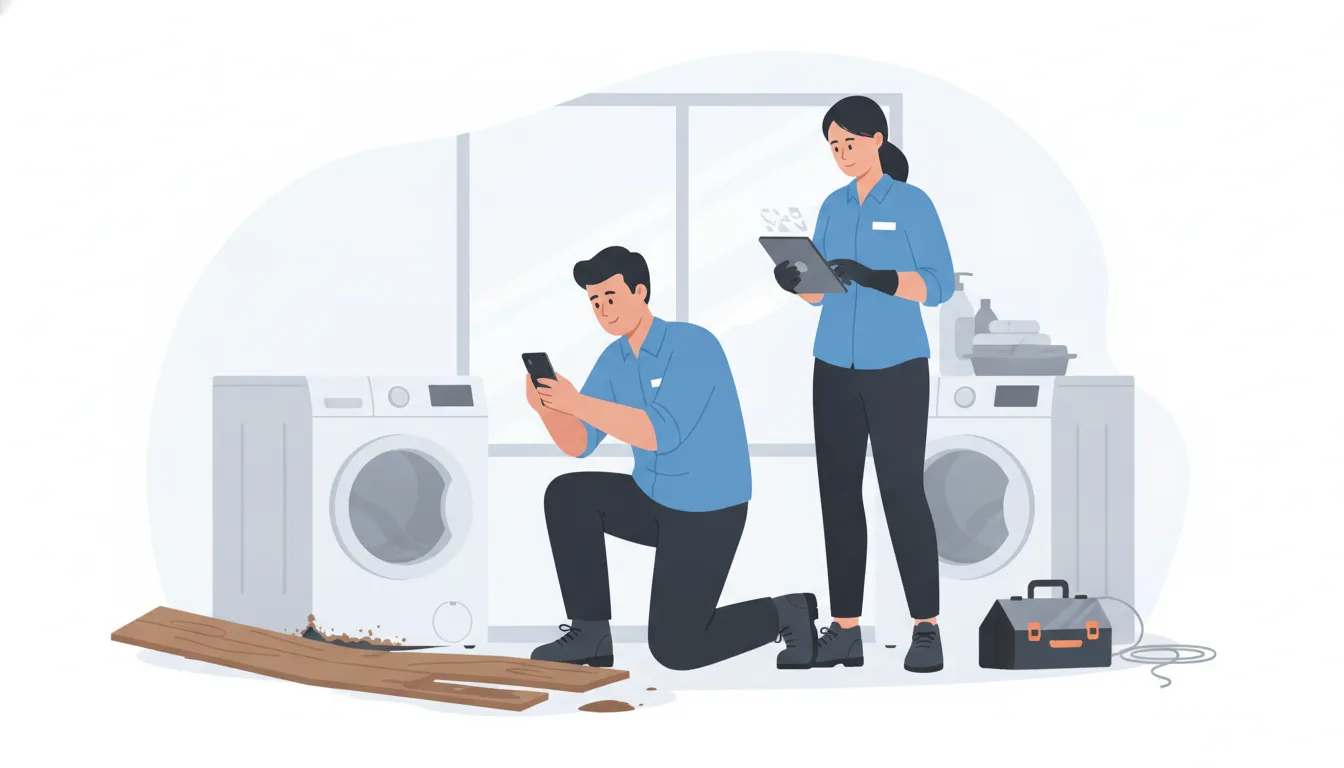
Contractors document the water damaged contents restoration process by building an itemized photo record from the moment a loss is discovered, not at the end of the job. A claim-ready contents file starts at the job site, not when an estimator tries to reconstruct the loss from memory. Assign each item a clear identity and record enough evidence for another person to understand what happened, where the item was found, and what your team did with it.
Build an itemized photo inventory
Photograph contents before moving them whenever site conditions allow. Capture the room or area first, then take item-level images that show the brand, model, identifying marks, and overall condition. Use a consistent sequence so the photos can be matched to the inventory without guesswork. For example, organize images by room, container, or barcode, and keep the same identifier on the item record, photograph set, packing label, and storage location.
For each item, record a useful description rather than a generic label such as “chair” or “electronics.” Include quantity, material, and approximate age when known. Note pre-existing damage, observed water exposure, visible contamination, and whether the item was packed, cleaned, stabilized, stored, returned, or designated non-salvageable. If the item is part of a set, document the set and any missing pieces separately. This creates a defensible inventory while reducing clarification requests later. For a full walkthrough of moving a contents job from intake to handoff, see how to process a contents restoration job.
Log condition, location, and actions
Record where the item was found and how severe the damage appeared at intake. Note whether it was on the floor, inside a cabinet, under a leak, or in another affected area. Include the actions taken, such as moving the item to a dry zone, photographing it, cleaning it, placing it in a drying chamber, or holding it for an adjuster decision. The CDC recommends documenting the location and severity of water damage and recording actions taken to address the underlying problem: CDC mold action steps.
Accuracy matters because adjusters and property owners need a record they can follow. This is not about framing the process as fraud detection. Transparent documentation helps the contractor demonstrate that the inventory reflects the observed loss, that decisions were made consistently, and that work was performed in a controlled sequence. The EPA notes that mold can grow on wood, drywall, carpet, and furniture when those materials remain wet for more than 24 hours, which makes timely condition records especially important: EPA flood cleanup guidance.
Preserve chain of custody through every handoff
Chain of custody should follow the item from pack-out through cleaning, storage, valuation, and move-back. At each handoff, retain the item identifier, responsible team member, date, destination, and updated condition photos. A strict photo-supported chain of custody helps satisfy insurance requirements and makes exceptions visible before they become disputed items.
Teams can also reduce manual entry by using iCat’s photo-based AI to produce claim-ready inventory and valuation documents, helping prepare estimates faster. The output supports contractor review and estimate preparation; it does not provide automatic insurance approval or claim a direct live Xactimate sync. For the broader contents restoration process, keep documentation connected to the operational workflow. Contractors who need a deeper reference can also review this guide to insurance documentation.
Warehouse Storage in the Water Damaged Contents Restoration Process
Contractors manage warehouse storage in the water damaged contents restoration process by zoning the space, monitoring moisture, and keeping every item tied to the inventory record. Warehouse control is not a passive holding step between pack-out and delivery. It is where a contractor protects restored contents, preserves the record of each item, and keeps the move-back stage ready to execute. The pack-out workflow typically includes inventory, move-out, cleaning, and move-back, so storage should be managed as an active operating phase rather than an untracked pause.
Zone the warehouse around the job and item status
Assign each project a clearly identified zone, then separate items by status within that zone. Keep cleaned and cleared contents apart from items awaiting cleaning, drying, inspection, or a salvage decision. Use stable shelving, pallets, or other supports that keep boxes and furniture off the floor and away from walls where possible. Do not stack items in a way that blocks inspection access, conceals damage, or makes a specific item difficult to retrieve.
Every container and large item should remain tied to the contents inventory. The storage record should show the project, room or original location, container or item identifier, current status, and storage position. That structure reduces search time when a homeowner or adjuster requests a particular item and helps the crew stage the correct load for move-back.
Monitor moisture and humidity, not just appearance
Contents that look dry at the surface may still hold moisture in porous materials, upholstery, wood components, or packed cartons. Establish a documented inspection routine for stored contents, especially after wet-weather events, temperature changes, or a recent move into the warehouse. Record readings from the areas and materials your team is monitoring, along with the date, time, technician, and any corrective action.
Maintain the warehouse environment within the operating conditions required by the materials and your drying plan. If humidity rises or readings trend upward, increase air movement or dehumidification where appropriate, separate affected items, and escalate them for inspection before regrowth or secondary damage develops. The exact restoration timeline varies with the scale and nature of the water intrusion, so the monitoring schedule should follow documented risk, not an arbitrary storage deadline.
Protect chain of custody and schedule the move-back
Limit warehouse access to authorized staff and record transfers between zones, vehicles, cleaning areas, and the job site. Photograph condition changes, packaging, and loading when those records matter to the file. A consistent chain of custody gives the team a defensible history of where contents were and what happened to them while stored.
Schedule move-back only after the receiving rooms are ready and the inventory shows which items are cleared for return. Confirm the delivery sequence, crew capacity, access conditions, and customer availability before assigning a date. For a step-by-step look at returning stored contents to the property, review the pack-back process for contractors. Contents restoration software can connect inventory status, storage locations, photos, and move-back planning so the warehouse team is working from one current record.
Ready to see this workflow in action? Call 1-888-494-4228 or book a demo to talk through your water damaged contents restoration process with the iCat team.
Frequently Asked Questions
How long does water damage restoration take?
The timeline depends on the scale and nature of the water intrusion, the volume of contents, drying requirements, cleaning complexity, and the move-back plan. A small contents job may move quickly, while a large loss requires staged inventory, treatment, monitoring, storage, and reinstallation. Set expectations after the initial assessment, then update the customer as each stage is completed.
Why is professional water restoration necessary?
Severe water intrusion requires more than surface cleaning. Trained crews use controlled handling, drying equipment, dehumidification, cleaning methods, and documented workflows to stabilize contents and reduce secondary damage. Professional oversight also helps keep item condition, location, treatment, and status consistent across the pack-out and move-back.
What commonly causes water damage to household contents?
Common causes include leaking pipes, appliance failures, flooding, hurricanes, and tropical storms. The source affects the response plan, but every loss should begin with identifying the affected areas, separating contents from the structure, and recording the condition of each item before treatment.
How quickly can mold start after water damage?
Mold can grow on wet wood, drywall, carpet, and furniture when those materials remain wet for more than 24 hours, according to the EPA. Move quickly to isolate affected contents, begin appropriate drying, and monitor moisture. If testing identifies mold growth, mold remediation may need to become part of the restoration plan.
Get started with a more consistent restoration workflow
When pack-outs, inventory, salvage decisions, documentation, and move-backs run through one organized process, your team can reduce avoidable handoffs and keep projects easier to manage. Book a demo of iCat Contents Management to see how it can support your water damaged contents restoration process from end to end. Call 1-888-494-4228 to schedule a conversation with the team.
