
A chaotic pack-out ruins a restoration company’s profit margin before items even reach the warehouse. Lost items and manual data entry mistakes delay every step of the job.
To see how our contents software simplifies field tracking, call (888) 494-4428 or book a demo today.
Learning how to process a contents restoration job requires a highly structured, four-phase job workflow that spans initial on-site packing, warehouse intake, specialized cleaning, and documented pack-back. First, field crews pack up and inventory every affected item on-site to protect them from secondary damage before safely moving everything to a secure, climate-controlled warehouse facility. According to R&R Magazine, making a detailed contents loss list as quickly as possible helps insurance adjusters find value and set a more precise valuation on each claim. Finally, the team restores the items with specialized cleaning systems and delivers claim-ready reports to stop billing disputes and speed up the claim closing process for property owners.
While this article covers the basic workflow, contractors needing more in-depth operational advice should consult our contractor’s complete guide to contents restoration operations. Managing these complex jobs requires deep industry knowledge and the right tools. To see what is needed next, explore our breakdown of How to Process a Contents Restoration Job, Phase by Phase. Here is how.
How to Process a Contents Restoration Job, Phase by Phase
A roadmap for contents restoration
Contents restoration is the process of inventorying, cleaning, and restoring personal and business property inside a damaged building after a loss. When fires or floods strike, these items must be returned to their pre-loss condition. For restoration teams, learning this service is a great way to grow a business and provide full value to clients.
To master this workflow, contractors can consult a contractor’s complete guide to contents restoration operations for detailed standards. The process runs through four linked phases that take items from the loss site to a clean state. Each step must connect smoothly to the next to prevent errors and keep the job on track.
These four connected phases form the core of the job:
- Pack-out: Field crews inventory and pack all items on-site before moving them to the warehouse.
- Warehouse intake and assessment: Workers receive the items, check their condition, and plan the cleaning.
- Production and cleaning: Crews use targeted tools and agents to clean and restore the contents thoroughly.
- Pack-back with documentation: Crews return the restored items and deliver complete final reports.
The power of speed and technology
In this field, speed is a major key to success. Making a contents loss list as fast as you can helps the insurance adjuster look at the value of each item. This quick step leads to a more precise price for the claim, which helps get the job paid. When you create correct lists quickly, you build deep trust with adjusters and homeowners alike.
The full contents restoration workflow uses instant inventory capture, quick cleaning codes, and claim-ready document creation. By using smart tools, field teams stay on-site for shorter periods. At the same time, this software produces high-quality, professional, claims-ready files right away. Your crews can spend far less time in the field while still saving the precise data you need to bill fully.
Safety and compliance guidelines
Crew safety is another key part of managing a restoration job. Technicians often face dirty and unsafe places when they handle damaged property. To protect your team, you must set up proper health and safety rules. Following standards from the Occupational Safety and Health Administration helps protect crew members from contact with harmful materials. Proper gear and training ensure that every worker stays safe while handling damaged items.
Following these rules helps your team process each job with high quality. Once safety measures are in place, you can start the work. In the next section, we will look at how a careful pack-out serves as the vital first step to protect items from further damage. Let us explore how to run this first phase with speed and care.
Phase 1: Pack-Out and On-Site Inventory
When learning how to process a contents restoration job, you must start with a solid plan. A proper pack-out is the first step because it protects items from extra damage and gets them into a safe place. Managing this workflow needs clean steps to keep your process both fast and accurate.
The On-Site Packing Process
Before moving any box, your field team needs to organize the site. Using high-quality protective materials for furniture and items during pack-out is vital to avoid adding damage during transit. The goal is to prepare every item so it survives the trip to the warehouse without a scratch. Packing things the right way saves time and keeps your clients happy.
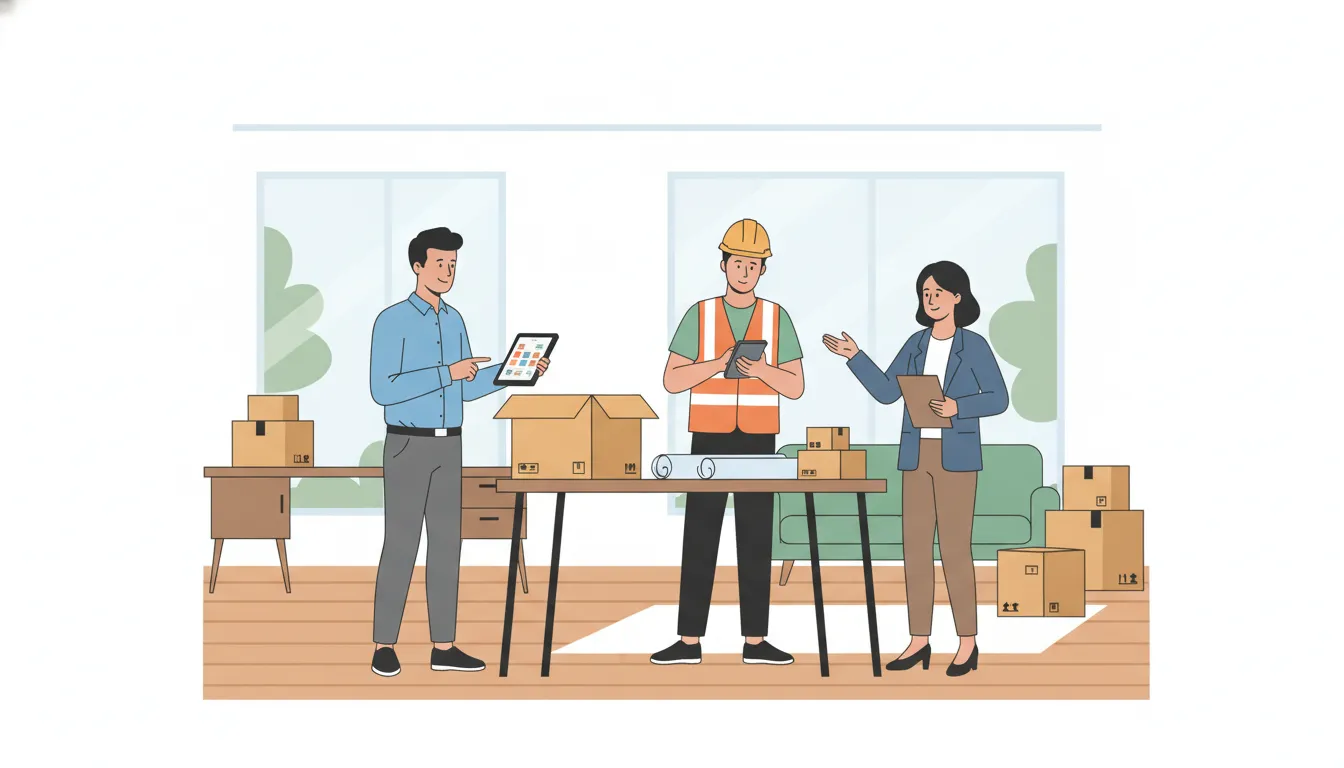
- Organize and protect contents on-site. Technicians wrap large furniture in thick blankets and pack small items into sturdy boxes. This step keeps fragile pieces safe and prevents secondary damage before transport begins.
- Capture a real-time digital inventory. Your team uses mobile apps to scan items as they pack them. Accurate inventory capture up front speeds every downstream phase of the restoration job and keeps everyone on the same page.
- Document condition and location of each item. Technicians take clear photos and log pre-existing damage for every item. This details exactly where the item was found and its current state so there are no disputes later.
- Transport items securely to the processing facility. Crews load the packed boxes into trucks with care. They secure the cargo to prevent shifting during the drive to your warehouse facility.
Efficiency and Safety Standards
Running a smooth pack-out needs the right tools. Standard spreadsheets lead to transcription errors and slow down the entire team. Instead, modern teams use specialized contents restoration software to log items instantly. Following clear contents pack-out steps makes sure that your crew does not miss a single detail on-site. This keeps your records clean and your clients happy.
Safety is just as vital as speed when handling damaged goods. Items affected by fire, mold, or toxic water pose real health risks to your workers. Technicians must follow safety rules from the Occupational Safety and Health Administration (OSHA) during every job. Wearing proper protective gear and following these standards protects your team from harmful soot and toxins while they work. A safe team is a productive team on every loss site.
Phase 2: Warehouse Intake and Cleaning Assessment
Once you finish the first contents pack-out steps, the next step is secure warehouse intake. This is a key part of how to process a contents restoration job. A secure, climate-controlled warehouse is needed to prevent further damage to fragile contents after transport. Keeping items in a controlled climate preserves them until restoration begins.
Climate-controlled warehouse intake
At the warehouse, crews must handle each item with care. Workers must use proper health and safety rules, as outlined by OSHA standards, to protect against hazardous soot or mold. A clean work space ensures the team can inspect each item safely. Workers log each piece into the system to start the assessment phase.
Standard condition codes
Restoration teams use standard condition codes to sort the level of damage on each item. Workers apply these codes to decide on the best restoration path. For example, some items need simple cleaning, while others need complex repairs or replacement. Our contents restoration software lists these codes clearly. The software shows you the condition of each item so you can make the final choice. It does not make automated salvage decisions for you.
Assessing complex multi-damage losses
Many contents jobs are complex. A single loss often combines many damage types, such as soot, water, mold, or odor. These complex jobs need tailored cleaning methods for each item. For instance, a soot-covered chair that is also wet from fire hoses needs two different treatments. You must first dry the wood to prevent rot, then use exact steps to clean the soot. Assessing these details up front ensures you choose the correct method and budget.
| Damage Type | Assessment Goal | First Action | Key Tool |
|---|---|---|---|
| Smoke | Check dry soot | Run wipe test on hard surfaces | Dry soot sponge |
| Water | Find moisture levels | Measure wet wood and drywall | Moisture meter |
| Soot | Identify soot style | Check if soot is oily or dry | Chemical test kit |
| Bio | Find bio hazards | Map the contaminated areas | Safety gear |
| Odor | Check odor strength | Smell test in a closed space | Air monitor |
Phase 3: Production and Cleaning
The cleaning stage is the heart of the project. When you learn how to process a contents restoration job, you see that order is vital. Items must move through the plant in a clear flow. This flow keeps the work on time and reduces mistakes.
Specialized restoration techniques
Specialized procedures are vital to save items that have high value. Technicians use ultrasonic cleaning to restore delicate electronics without risk. Ozone chambers work well to remove thick smoke smells from wool or silk. For wet books, crews use document drying to stop mold.
These methods protect items from more harm. When crews handle items with fire soot or mold, they must stay safe. Technicians must follow health guidelines from OSHA to protect themselves from bad dust and fumes. Using the right gear keeps the team safe while they do the work.

Standardized chemicals and staff training
Using EPA-registered disinfectants kills germs safely. To get the same good results on every job, you must use standard cleaning solutions. Using the same chemicals also makes it easy to train new staff. When your team uses standard tools, they make fewer mistakes.
Training your staff is a great move. Your team must know the nuances of wood, fabric, and electronics. Each material needs a different touch. When you teach your team how to handle each type of item, you avoid costly damage. This training sets your company apart from other teams in your area.
To keep the work moving, you need a way to track each item. Using contents restoration software lets you see the status of every box in real time. Technicians can mark items as clean as soon as they finish. This keeps the whole team on the same page.
An organized plant also needs clean work areas. Each station should have its own job to do. One area is for intake, one is for washing, and one is for drying. When you set up your space this way, the work flows fast. This setup lets you process more jobs with fewer workers.
Standard methods help you build trust with insurance adjusters. When adjusters see that you use standard chemicals and trained staff, they approve your claims faster. This means you get paid sooner for your hard work. It also helps you build a strong name in the local market.
Phase 4: Pack-Back and Job Documentation
The final phase of a contents restoration job is the pack-back. This final step is just as vital as the first pack-out of the items. Many restoration contractors make the mistake of rushing this vital final stage. But a poor pack-back can quickly ruin a project that was otherwise perfect. Clients expect their valued items to return to them in pristine shape.
The return of restored items
Returning items to the site needs as much care and inventory checks as the first pack-out. Technicians must check each restored item against the main job manifest. This level of care prevents lost items and keeps clients happy with your service. It also shows your local team is both skilled and sharp.
Before returning contents, technicians must ensure all items are safe and clean. This task means using cleaning agents registered with the Environmental Protection Agency (EPA). When you use proper contents pack-out steps, you set a high standard of care. This standard protects the health of the owners and the good name of your business.
Claims-ready documentation
Good documentation is the core of how to process a contents restoration job. A detailed first manifest serves as the backbone for a fair and smooth claims settlement process. If you do not record everything at the start, you will face major problems later. This simple step prevents any mix-ups or delays during the final pack-back stage.
Clear, itemized documentation of every damaged item is needed for a clear claims process. This exact record helps prevent disputes between the contractor, insurer, and the client. It keeps all parties fully aligned on the status of each salvaged item. This complete digital record protects your business from risk while building trust with the insurance company.
Faster claims resolution
A clear and proven valuation process for restored items speeds up the insurance adjustment process. Using detailed contents restoration insurance documentation allows adjusters to approve and pay for your work much faster. This detailed approach replaces guess work with hard facts for the insurance company. This positive change makes it easy for adjusters to check and approve the total cost of your services.
When you provide clear photos and digital reports, adjusters can close files with ease. This expert approach benefits both the insurance adjuster and the restoration contractor. It saves time for everyone and ensures you get paid for your work without long delays. Fast claim payments help your company keep a steady cash flow and grow your business.
How Do You Close a Contents Job Cleanly and Get Paid Faster?
The closeout phase is where you turn your hard work into cash. Since more than 70% of claim value often comes from contents, a clean closeout protects your revenue. You can read more about this in this contents restoration industry overview. To secure this revenue, you must move away from slow paper files. Today, modern contents restoration software helps teams replace old, error-prone spreadsheets with clean digital workflows.
The Closeout Process
A fast closeout needs a clear plan. Your field teams and office staff must work together to finalize every detail before you submit the bill. By setting up these closeout steps, you make it easy for your office team to draft the invoice and send it to the carrier. Following a set workflow keeps your team on track and prevents costly payment delays.
- Final inventory reconciliation. Match your warehouse list with the items ready for return. This ensures that every item is accounted for and nothing is left behind in your facility.
- Verify and document item condition. Double-check the status of each restored item. Keep your crew safe by following standard OSHA safety standards when handling any hazardous materials. This is crucial when dealing with items exposed to heavy soot or water damage.
- Deliver claims-ready documentation and valuation. Generate a detailed, clear report that lists all restored and non-salvageable items. This detailed report gives the adjuster the proof they need to approve the claim.
- Obtain sign-off. Have the property owner sign the final delivery receipt. Their sign-off confirms they received their goods in the agreed-upon condition, which protects you from later disputes.
- Submit for payment. Send the complete, signed package to the carrier. Providing all the proof up front helps the adjuster review and pay the invoice much faster.
Real-Time Teamwork
To speed up these steps, your team needs the right tools. Real-time data sync through mobile apps allows field crews and office staff to work together without delay. This prevents the typical back-and-forth phone calls and emails that stall jobs. A shared database makes sure that every photo and receipt is saved in one safe spot. Working with a shared system helps you build trust with both property owners and insurance partners. If you want to refine your overall workflow, read our contractor’s complete guide to contents restoration operations for more tips.
Book a demo of iCat’s contents restoration software today or call us at (888) 494-4428.
Frequently Asked Questions
How long does a contents restoration job take?
A standard contents restoration job takes from a few days to a few weeks. The timeline depends on the number of items and the type of damage. Clean water damage might take just three days. Heavy fire and smoke damage can take several weeks to clean, pack up, and return. Restorers who use mobile apps to capture item lists on-site can speed up the job by several days.
How does insurance pay for contents restoration?
Insurance firms pay for contents work under the personal property part of a policy. The restoration crew must give a detailed list of all saved and lost items to the adjuster. According to this guide on contents insurance documentation, clear records help avoid disputes with the carrier. Good documentation allows the adjuster to approve and pay the claim without any delays.
What industry standards guide contents restoration jobs?
Restorers follow strict rules to clean and save damaged items. The main industry rules come from the IICRC, which sets the S500 standard for water jobs and the S540 standard for trauma cleanup. Following these rules ensures that crews use safe, proven methods. It also proves to insurance carriers that the team did the work the right way.
How do restorers decide if an item can be saved?
Crews inspect each item to see if cleaning can return it to its original state. They use standard codes to track soot, water, and smoke damage. Restorers do not rely on software to decide what can be saved. Instead, they use digital tools to log notes and photos so the team can make the final choice.
Are you ready to scale your contents restoration business?
When you rely on paper lists and manual entry, your crew wastes hours of field time on every contents pack-out job you run. This slow work delays your insurance billing, hurts your monthly cash flow, and limits how many claims your team can handle at once. Starting today with digital tracking helps your team send clean files to adjusters so you get paid fast and protect your hard-earned margins.
Ready to book? Do not let slow workflows and manual errors hold your business back from growing. Contact our team today to book a demo of iCat’s contents software. Starting now will show your crew how easy digital tracking can be on every single job.
